

How Property Managers Protect Landlords If Things Go Wrong
Daniel Hillier • 18 February 2026
Lease enforcement is the process of ensuring tenants comply with the legal and financial terms of the lease, including rent payments, property care, and behaviour.
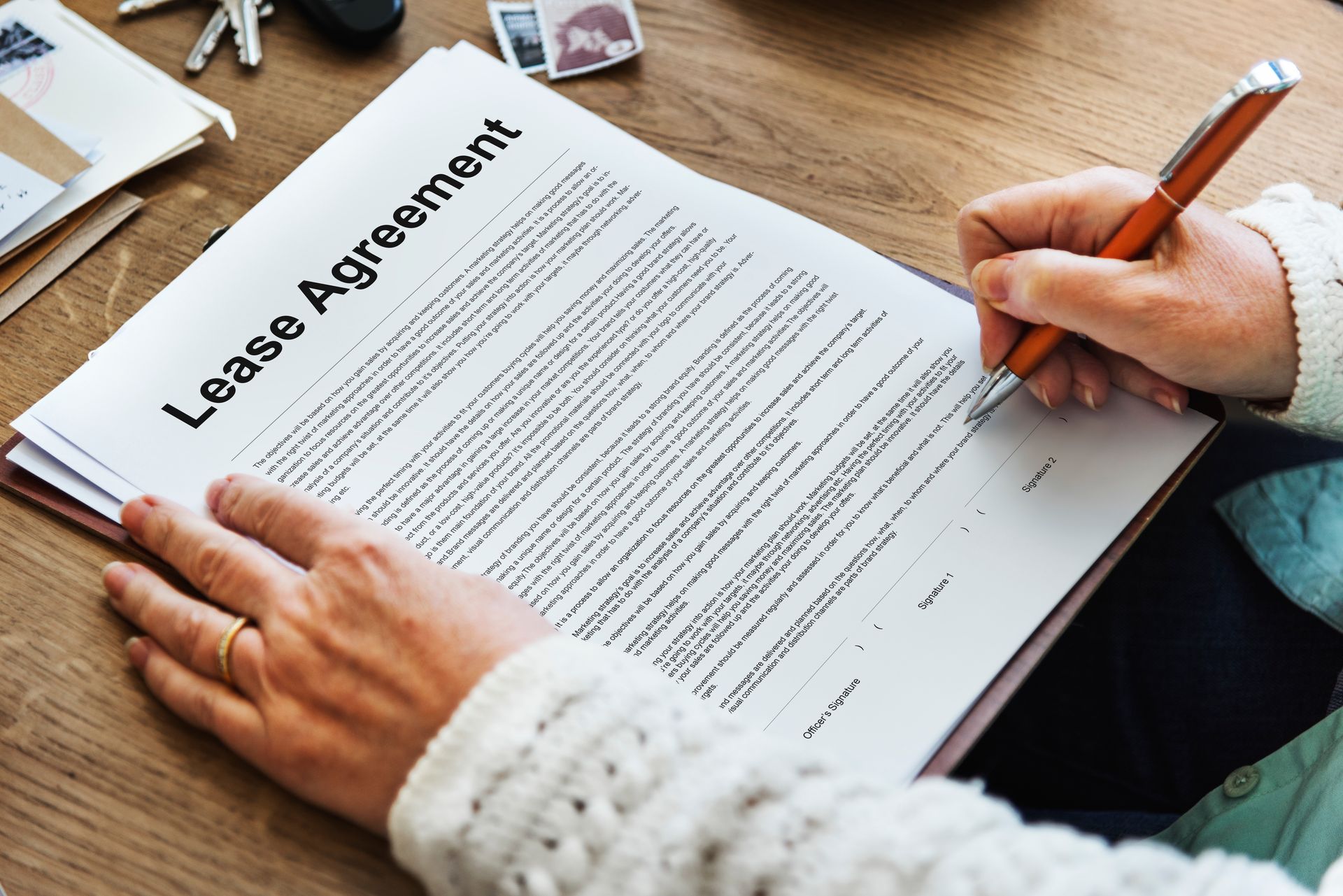
While tenant management focuses on day-to-day interaction, lease enforcement comes into play when expectations are not met. For landlords, this is one of the most important functions a property manager performs.
What lease enforcement really means
Lease enforcement typically includes:
- Monitoring rent payments
- Following up immediately on arrears
- Issuing formal notices when required
- Managing breaches of lease conditions
- Guiding the owner through legal steps if necessary
Effective enforcement is firm, consistent, and timely. Delays or hesitation often lead to bigger financial and legal problems.
Why early enforcement matters
When rent is late or rules are ignored, time matters. Good property managers act early because:
- Small arrears can quickly become significant losses
- Tenants test boundaries when enforcement is inconsistent
- Legal timelines often depend on prompt action
Early enforcement protects cash flow and reduces the likelihood of drawn out disputes.
The role of the property manager in enforcement
A professional property manager acts as a buffer between landlord and tenant where they:
- Handle difficult conversations objectively
- Follow legal processes correctly
- Protect the landlord from direct conflict
- Ensure documentation is accurate and complete
This reduces emotional stress for the owner and lowers the risk of mistakes.
What landlords should ask about lease enforcement
Landlords evaluating a property manager should ask:
- How rent arrears are handled and how quickly action begins
- What steps are taken when tenants ignore communication
- How breaches are documented and escalated
- How legal processes are managed if issues persist
Clear, confident answers indicate experience and preparedness.

When rent falls behind, a professional property manager acts quickly by contacting the tenant, issuing formal notices when required, and guiding the owner through the legal process if arrears continue.
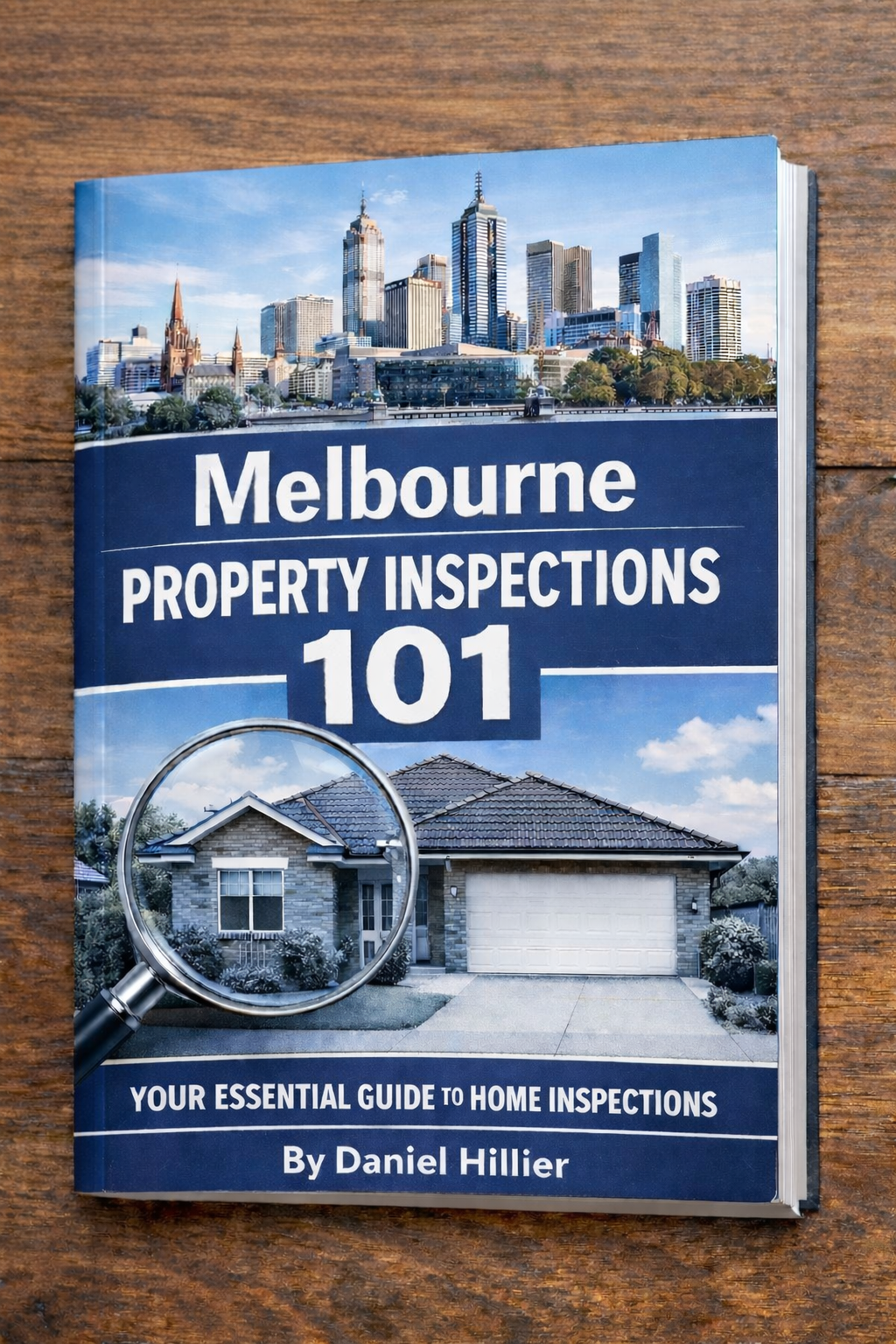
Here's the only guide Melbourne property owners should keep in their back pocket to keep property managers on point with maintaining your investment 24/7.

It's important to not only focus on getting someone to be your tenant and pay rent. We focus on what type of person we're trusting with your invesntment.