

What “Protecting the Performance of the Asset” Means for Property Owners
Daniel Hillier • 25 February 2026
Protecting the performance of a rental asset means maintaining cashflow, minimising vacancy, controlling costs, and reducing legal or compliance risk over time.

For property owners, performance is not just about rent. It is about long-term stability and avoiding preventable losses.
The key elements of asset performance
Rental property performance is shaped by:
- Consistent rental income
- Minimal vacancy between tenancies
- Controlled maintenance and repair costs
- Tenant quality and behaviour
- Compliance with legal requirements
Property managers influence all of these through daily decisions.
How tenant management affects performance
Good tenant management helps protect performance by:
- Identifying issues before they escalate
- Encouraging tenants to respect the property
- Reducing turnover and vacancy
- Preventing unnecessary wear and damage
Poor tenant management often results in higher repair costs and lost income.
How lease enforcement protects income
Lease enforcement directly impacts cash flow. Consistent enforcement:
- Reduces unpaid rent
- Deters repeat breaches
- Keeps tenancies predictable
- Protects the landlord’s legal position
Weak enforcement increases risk and uncertainty.
Why proactive management matters
Proactive property management focuses on prevention rather than reaction.
This includes:
- Regular inspections
- Timely maintenance
- Clear communication
- Early intervention when issues arise
Over time, this approach protects both the physical condition of the property and its financial performance.
What landlords should look for
Landlords concerned with asset performance should look for property managers who:
- Can clearly explain how they minimise vacancy
- Have systems for managing arrears and breaches
- Communicate risks early
- Treat the property as a long-term investment, not a transaction

Routine inspections are usually conducted quarterly to monitor property condition and tenant compliance, with reports provided to the owner.

When rent falls behind, a professional property manager acts quickly by contacting the tenant, issuing formal notices when required, and guiding the owner through the legal process if arrears continue.
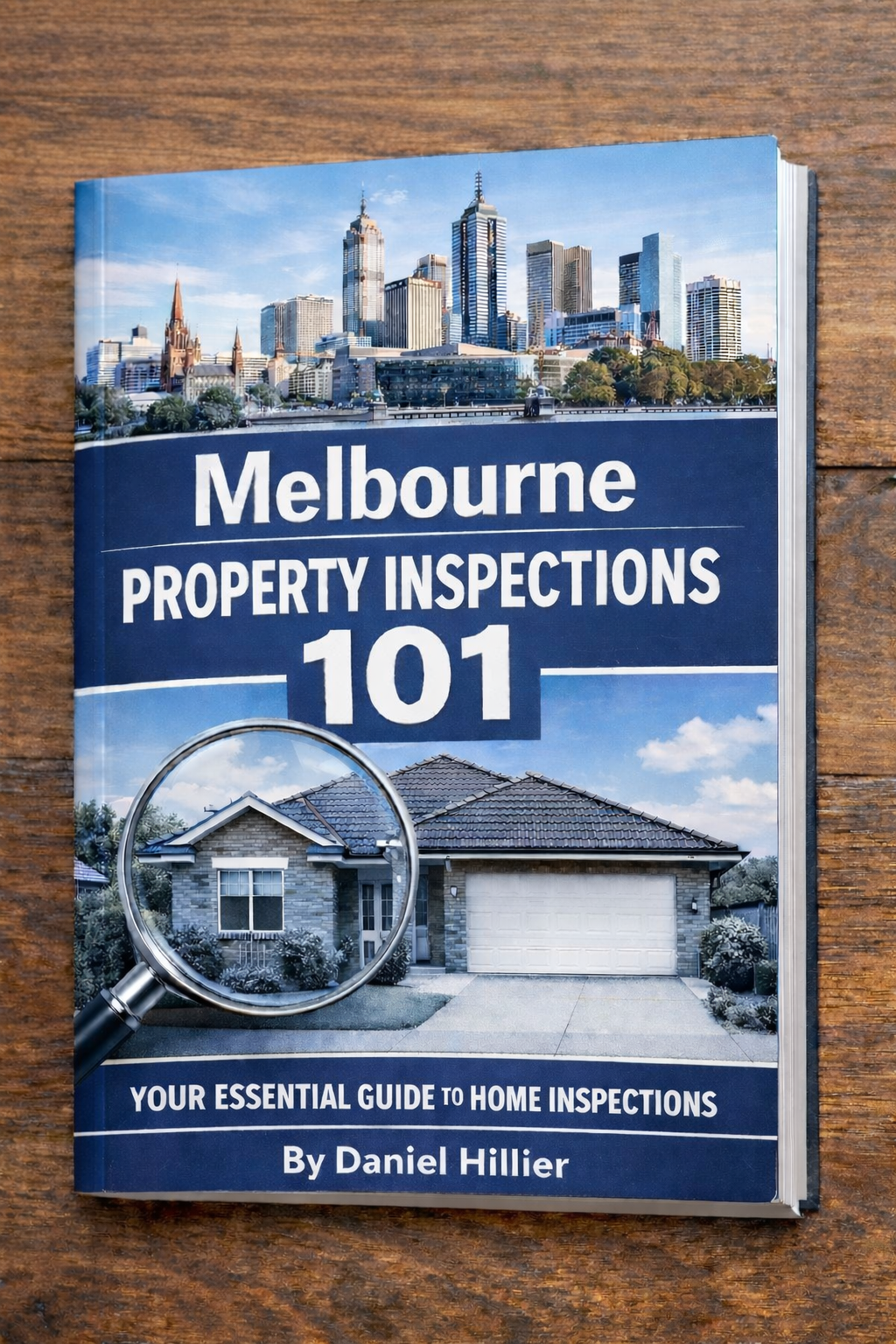
Here's the only guide Melbourne property owners should keep in their back pocket to keep property managers on point with maintaining your investment 24/7.